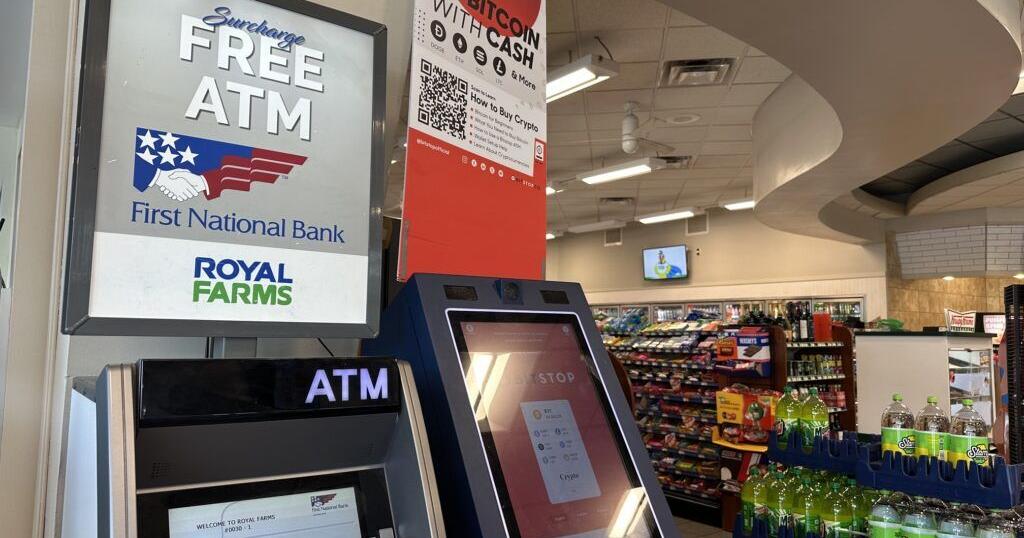
Local governments are stepping in to stop criminals from using physical cash machines. States and cities are starting to crack down on crypto ATMs after a massive surge in scams. Leaders want to protect everyday people from losing their hard-earned money at these convenient kiosks.
Why are governments targeting crypto ATMs?
Criminals use these machines to trick people into sending cash fast. A scammer might call a victim and pretend to be a bank agent, a government worker, or a police officer. They scare the victim and order them to deposit physical cash into a local kiosk right away.
Once the victim puts cash into the machine, the money turns into digital tokens. The funds go straight to the wallet of the thief. Because cryptocurrency transfers happen so fast, victims almost never get their money back. Local leaders are tired of seeing people lose their savings to these simple tricks.
What does this crypto ATMs crackdown mean for you?
You might soon see far fewer of these standalone machines in your neighborhood gas stations and convenience stores. Cities and states are passing strict rules to slow down transactions and mandate warning labels. Some areas are even banning the machines entirely to stop fraud before it starts.
These new rules aim to give victims time to think before they lose cash. Here are the main changes local governments are trying to push through:
- Lower daily limits on how much cash anyone can deposit into a machine.
- Clear warning screens that pop up to alert users about common phone scams.
- Mandatory waiting times before a cash deposit finishes sending to a private wallet.
- Strict licenses for machine operators to keep bad companies out of town.
What happened before these new laws were introduced?
Crypto kiosks popped up in thousands of stores over the last few years. Companies placed them in easy spots so anyone could buy tokens with physical bills. But as the machines spread across the country, fraud cases exploded along with them.
Law enforcement agencies noticed that elderly residents were getting targeted the most by these machine scams. Scammers found it much easier to send someone to a local store than to make them open an account on a major online exchange like Kraken. That is why cities decided they could not wait for federal help anymore.
What should you watch for next as rules change?
More cities and state governments will likely vote on similar bans in the coming months. Machine operators may fight back in court to keep their kiosks open in high-traffic stores. But public pressure to stop daily financial fraud remains very high right now.
If anyone calls you and demands that you visit a physical machine to solve a problem, hang up immediately. Real banks and official government agencies will never demand a payment through a cash kiosk. Staying informed is the best way to keep your money safe while these new laws take effect.